Health insurance in the United States plays a critical role in protecting individuals and families from high medical costs. As healthcare expenses continue to rise in 2026, choosing the right health insurance plan has become more important than ever. Whether you are self-employed, working for a company, supporting a family, or planning for retirement, the right coverage can save you thousands of dollars each year.
This guide explains how health insurance works in the USA, the best insurance providers, plan types, costs, enrollment rules, and how to select the most suitable health insurance plan in 2026.
How Health Insurance Works in the USA
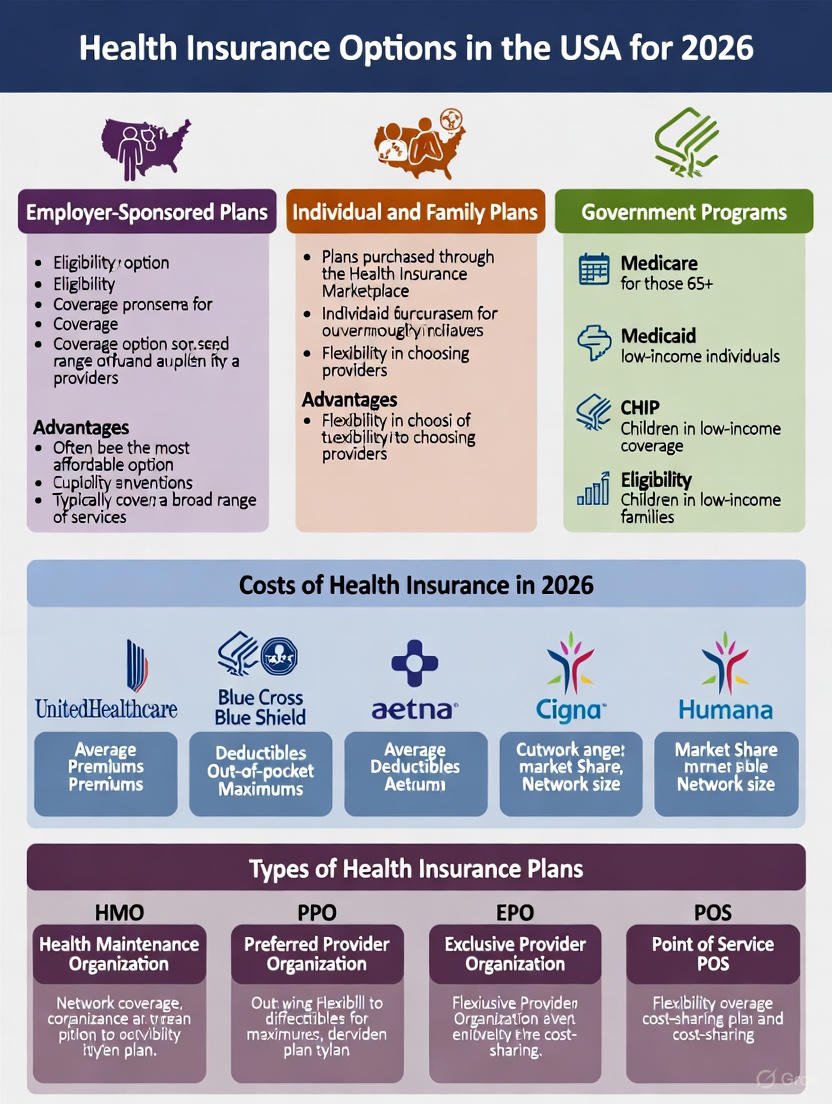
The U.S. health insurance system is different from many other countries. Coverage is mainly provided through private companies, employers, and government programs.
Employer-Sponsored Health Insurance
Most Americans receive health insurance through their employer. Employers usually pay a large portion of the monthly premium, which makes these plans more affordable for employees. These plans often include medical, prescription drugs, mental health services, and preventive care.
Employer plans usually have limited flexibility because employees must choose from options selected by the company.
Individual and Family Health Insurance
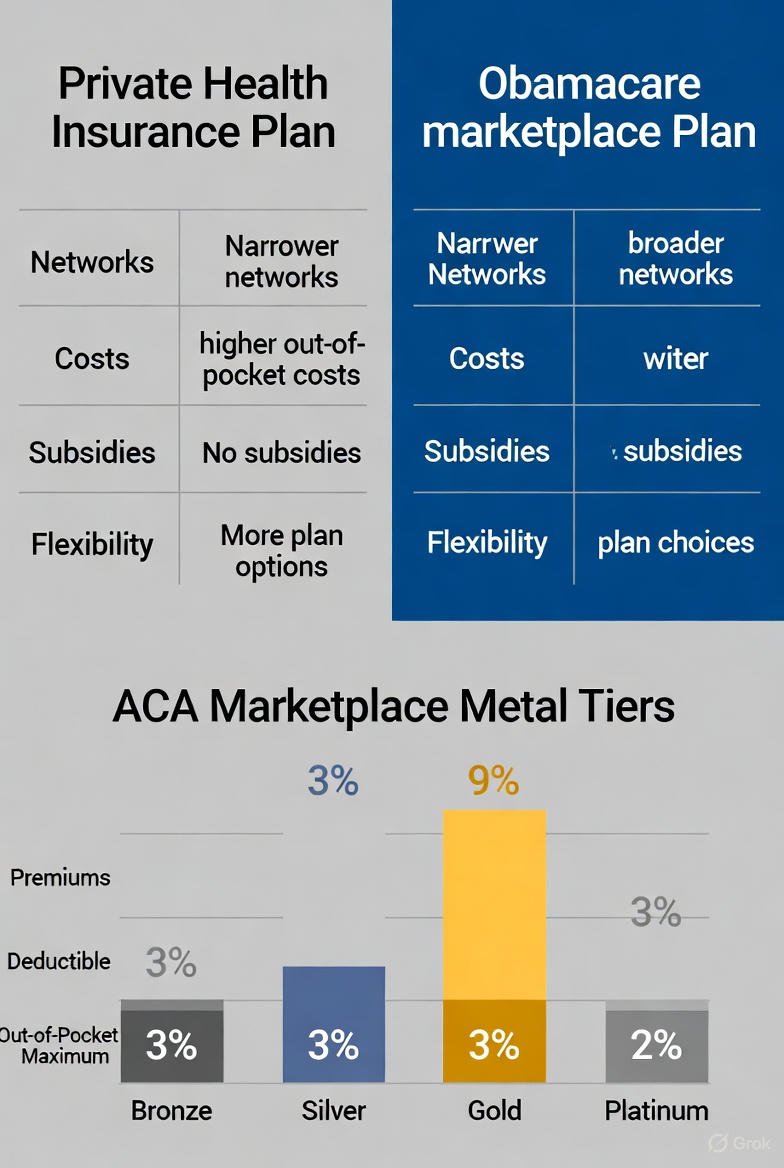
People who do not have employer coverage can purchase insurance on their own. These plans are available through federal or state marketplaces and are often referred to as ACA or Obamacare plans.
Individual plans are categorized into metal tiers:
-
Bronze
-
Silver
-
Gold
-
Platinum
Each tier represents how costs are shared between the insurer and the policyholder.
Government Health Insurance Programs
The government offers health insurance programs for specific groups:
-
Medicare for people aged 65 and older or with certain disabilities
-
Medicaid for low-income individuals and families
These programs operate separately from private health insurance plans.
Best Health Insurance Companies in the USA for 2026
Several health insurance providers stand out in 2026 due to coverage quality, customer service, and affordability.
UnitedHealthcare
UnitedHealthcare is one of the largest insurance providers in the country. It offers nationwide coverage, a large network of doctors and hospitals, and strong digital health tools. It is a good option for individuals, families, and employers.
Blue Cross Blue Shield
Blue Cross Blue Shield operates through regional companies but provides coverage in every state. It is known for reliable service, wide provider access, and a variety of plan options suitable for families and individuals.
Kaiser Permanente
Kaiser Permanente uses an integrated care model where insurance, hospitals, and doctors work together. This results in coordinated care and strong preventive services. Availability is limited to specific regions.
Cigna
Cigna offers flexible plans with strong mental health coverage, wellness programs, and telehealth services. It is a popular choice for individuals who value digital healthcare access.
Oscar Health
Oscar Health is designed for people who prefer managing healthcare through mobile apps and online tools. It offers simple plans and easy access to virtual care.
Ambetter and Molina Healthcare
These companies focus on affordable plans and are often chosen by people looking for budget-friendly coverage. They are popular options in the ACA marketplace.
Health Insurance Costs in the USA in 2026
Health insurance costs depend on several factors including age, location, income, and plan type.
Average Monthly Premiums
In 2026, average monthly premiums generally fall within these ranges:
-
Individual plans: mid-range to high depending on coverage
-
Family plans: significantly higher due to multiple dependents
Premiums are higher for plans with lower deductibles and better coverage.
Deductibles and Out-of-Pocket Costs
Besides monthly premiums, policyholders must consider:
-
Deductibles
-
Copayments
-
Coinsurance
-
Out-of-pocket maximums
Lower premium plans usually have higher deductibles, meaning more costs are paid before insurance coverage begins.
Best Health Insurance Plans by Category
Best Plans for Individuals
Individuals who are healthy and do not require frequent medical visits often choose Bronze or Silver plans. Companies with strong individual plans include UnitedHealthcare, Oscar Health, and Ambetter.
Best Plans for Families
Families typically benefit from plans that offer strong preventive care, pediatric services, and lower out-of-pocket costs. Blue Cross Blue Shield, Kaiser Permanente, and Cigna are popular family-focused providers.
Best Affordable Health Insurance Plans
People on a tight budget often choose Bronze plans or value-focused insurers. These plans have lower monthly premiums but higher deductibles.
Best Plans for Seniors
People aged 65 and older generally rely on Medicare and Medicare Advantage plans. These plans often include prescription coverage and additional benefits such as vision and dental care.
Types of Health Insurance Plans
Understanding plan types is essential when choosing coverage.
HMO Plans
Health Maintenance Organization plans require members to use in-network providers and get referrals to see specialists. These plans usually have lower costs.
PPO Plans
Preferred Provider Organization plans offer more flexibility. Members can see specialists without referrals and may use out-of-network providers at higher costs.
EPO Plans
Exclusive Provider Organization plans combine features of HMO and PPO plans. They do not cover out-of-network care except in emergencies.
POS Plans
Point of Service plans require referrals but allow limited out-of-network coverage.
Enrollment Periods for Health Insurance
Open Enrollment Period
The open enrollment period usually starts in November and ends in January. This is the main time to enroll in or change a health insurance plan.
Special Enrollment Period
Outside open enrollment, you can only enroll if you experience a qualifying life event such as:
-
Marriage
-
Birth or adoption of a child
-
Loss of previous health coverage
-
Moving to a new state

How to Choose the Best Health Insurance Plan
Choosing the right plan requires balancing cost, coverage, and personal healthcare needs.
Assess Your Healthcare Needs
Consider how often you visit doctors, whether you take prescription medications, and if you expect major medical expenses.
Check Provider Networks
Ensure your preferred doctors, hospitals, and specialists are included in the plan’s network.
Compare Total Costs
Do not focus only on monthly premiums. Review deductibles, copays, and maximum out-of-pocket limits.
Consider Future Changes
Life changes such as marriage, children, or health conditions can impact your insurance needs.
Common Mistakes to Avoid
Choosing the Cheapest Plan Without Reviewing Coverage
Low-cost plans may result in higher expenses if medical care is needed.
Ignoring Prescription Drug Coverage
Some plans have limited drug coverage that can increase medication costs.
Missing Enrollment Deadlines
Failing to enroll during the open enrollment period can leave you uninsured for the year.
Frequently Asked Questions
Is health insurance mandatory in the USA?
There is no federal penalty for not having insurance, but coverage is still strongly recommended due to high medical costs.
Can self-employed individuals get health insurance?
Yes, self-employed individuals can purchase individual plans through the marketplace or private insurers.
Can I change my health insurance plan anytime?
No, plan changes are generally limited to open enrollment unless a qualifying life event occurs.
Conclusion
Choosing the best health insurance plan in the USA in 2026 requires careful planning and comparison. With rising healthcare costs and changing policies, understanding your options is essential. Whether you need individual coverage, family protection, or affordable healthcare solutions, there are plans available to meet every need.
By evaluating your health requirements, budget, and provider preferences, you can select a plan that offers financial security and access to quality healthcare throughout the year.