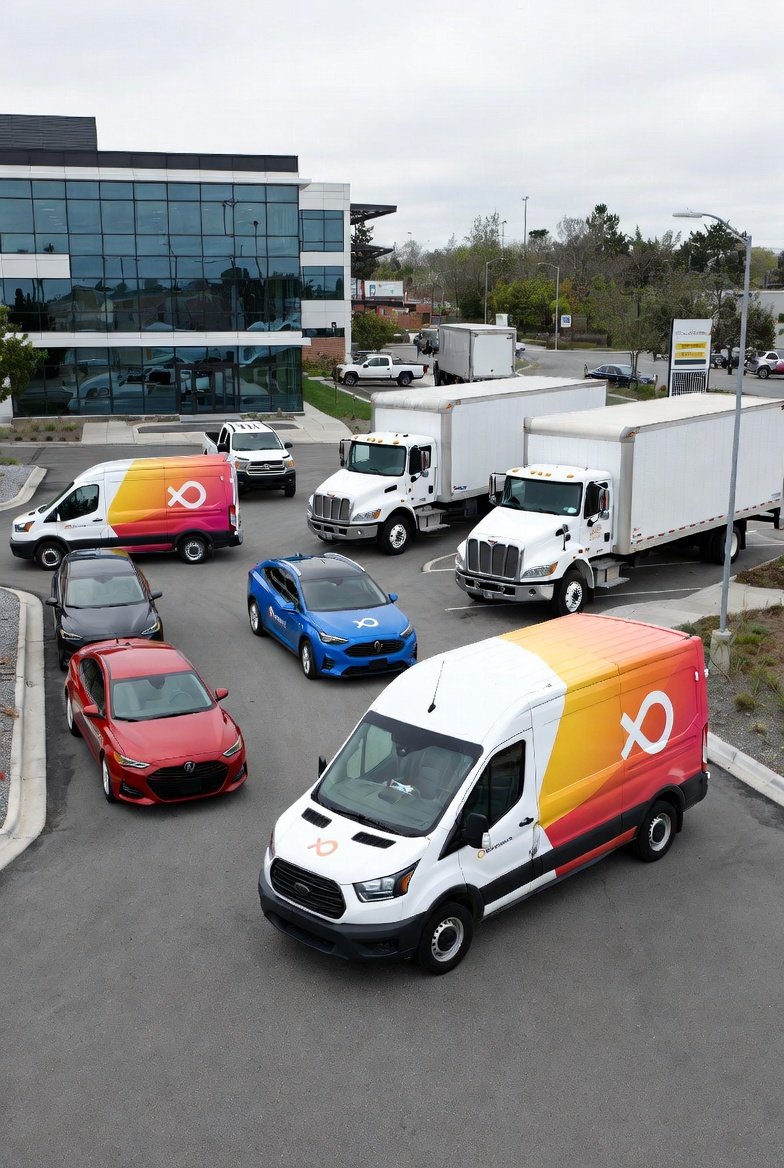
Commercial auto insurance is designed to protect vehicles used for business purposes. If your business uses cars, vans, trucks, or specialty vehicles to transport people, materials, or equipment, this type of insurance helps cover losses that result from accidents, damage, or liability. This guide explains what commercial auto insurance covers, how much it typically costs in 2026, and the top providers in the USA.
What Is Commercial Auto Insurance
Commercial auto insurance protects vehicles that are owned, leased, rented, or used for business. It covers liability to others, physical damage to your vehicles, medical payments, and other related risks. Personal auto insurance usually does not cover business use, so commercial auto insurance is required for most businesses.
Types of vehicles commonly covered:
Cars used by sales teams
Delivery vans and trucks
Work vehicles (plumbers, electricians)
Heavy trucks and trailers
Rideshare and transportation fleet vehicles
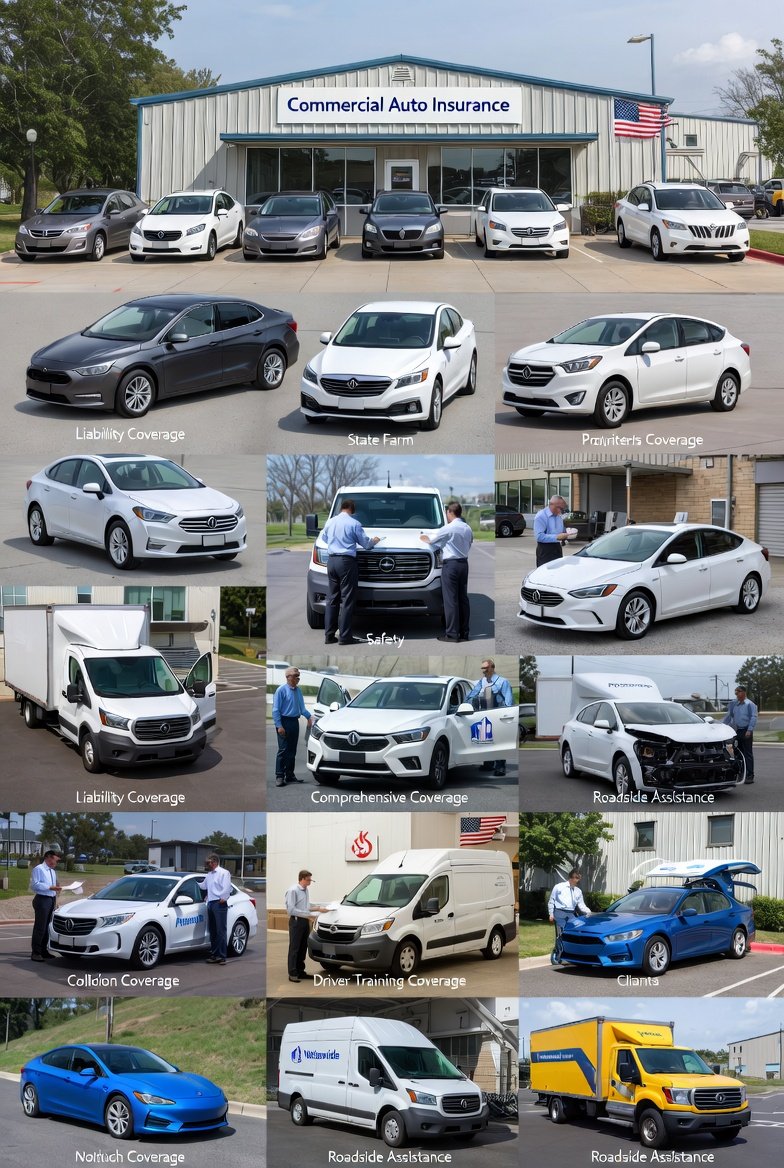
Key Coverage Types
Liability Coverage
Liability insurance pays for bodily injury and property damage you cause to others in an accident. This is required in almost all states.
Collision Coverage
Collision coverage pays for repairs to your business vehicle if it is damaged in a crash, regardless of fault.
Comprehensive Coverage
Comprehensive coverage protects against non-accident damage, such as theft, vandalism, fire, or weather events.
Uninsured/Underinsured Motorist
This coverage pays when the other driver has no insurance or not enough insurance to cover your losses.
Medical Payments
Medical payments coverage helps pay medical costs for you, your employees, or passengers after an accident.
Rental Reimbursement
Covers the cost of a rental vehicle while your business vehicle is being repaired after a covered loss.
Roadside Assistance
Provides help with towing, flat tires, dead batteries, or other breakdowns.
Who Needs Commercial Auto Insurance
Commercial auto insurance is required when vehicles are used for business activities, including:
Deliveries
Site visits
Transportation of clients or goods
Ridesharing or gig work (depending on arrangements)
Vehicles registered in the business name
If a vehicle is used only for personal purposes and not connected to business operations, personal auto insurance may suffice.
Commercial Auto Insurance Rates in 2026
Commercial auto insurance rates vary widely depending on multiple factors, including:
Type of vehicle
Vehicle age and model
Driver history
Business industry and use
Location and mileage
Coverage limits and deductibles
Typical national averages for commercial auto insurance premiums in 2026 vary, but small business vehicles often range higher than personal auto policies due to increased exposure.
General trends:
Small commercial vehicles (light vans, cars): moderate rates
Heavy trucks and specialty equipment: higher premiums
Vehicles used for frequent deliveries: higher exposure risk and higher rates
Rates for commercial fleets and high-risk operations may be significantly higher than for single vehicles.
How Rates Are Calculated
Insurance companies look at several elements before pricing a policy:
Business operation type and risk level
Driver records and experience
Claims history
Annual mileage and routes
Vehicle safety features
Deductible levels
Coverage limits chosen
Lower risk, safe drivers, good records, and stronger safety systems can help reduce premiums.
Top Commercial Auto Insurance Providers in the USA
Here are some leading carriers offering commercial auto insurance with strong coverage options and support for businesses:
State Farm
State Farm offers comprehensive commercial auto coverage with customizable options and local agents to help tailor policies. It’s known for strong service and claims responsiveness.
Progressive Commercial
Progressive specializes in commercial auto insurance with flexible plans for small and mid-size businesses. It provides tools for managing multiple vehicles and usage-based discounts.
Nationwide
Nationwide offers commercial auto policies with a range of coverages, including liability, collision, and optional add-ons like roadside assistance and rental reimbursement.
The Hartford
The Hartford provides commercial auto insurance as part of a broader business insurance suite. It is known for solid claims support and risk management tools.
Travelers
Travelers offers flexible coverage options and endorsements that let businesses customize protection for specific exposures. It also provides safety resources and programs.
Liberty Mutual
Liberty Mutual offers commercial auto coverage with options for specialized vehicles and high coverage limits. It focuses on businesses with unique risk profiles.
Zurich
Zurich is a strong choice for larger commercial fleets or specialized operations. It provides tailored solutions and risk consulting services.
Chubb
Chubb offers commercial auto insurance with higher limits and customizable plans, ideal for businesses with complex exposures or high-value vehicles.
Next Insurance
Next Insurance focuses on digital ease and affordable small business commercial auto policies. It allows quick online quoting and flexible coverage options.
Comparing Commercial Auto Quotes
To get the best price and coverage:
Get quotes from multiple providers
Compare similar coverage limits and deductibles
Check for available discounts (safe driver, fleet discounts)
Look at customer service and claims handling reputation
Review exclusions and coverage details
Comparing several options ensures you find the best fit for your business needs.
Tips to Lower Commercial Auto Insurance Costs
Maintain a clean driving record for business drivers
Implement safety and driver training programs
Bundle commercial auto with other business policies
Increase deductibles where affordable
Install safety technology (cameras, telematics, anti-theft systems)
Monitor and manage mileage and risk exposure
Many insurers reward safer fleets and risk mitigation programs with lower premiums.
Claims Process for Commercial Auto Insurance
Filing a claim typically involves:
Reporting the incident promptly
Providing driver and vehicle details
Collecting police reports and accident documentation
Submissions for property damage and injury claims
Working with adjusters to resolve payments
Good communication and quick reporting can help speed up the claim resolution process.
Final Thoughts
Commercial auto insurance is essential for any business that uses vehicles to operate. It protects your company from financial loss due to accidents, vehicle damage, legal claims, and injuries. Understanding coverage options, comparing providers, and managing risk can help you find affordable and reliable protection in 2026. Evaluating your business needs and choosing the right coverage mix ensures your vehicles and team remain protected while you focus on growing your business.