Health insurance in the United States helps individuals and families pay for medical care, doctor visits, hospital stays, prescription drugs, and preventive services. Choosing the right plan is important for financial protection and maintaining good health. There are many options available, and the best choice depends on factors like budget, health needs, family size, and where you live. This guide explains the main types of plans, top insurance options, costs, and how to compare available choices.
How Health Insurance Works for Individuals and Families
Health insurance plans usually cover a set of medical services in exchange for monthly payments called premiums. In return, the plan helps pay for medical expenses, although you may still pay some costs out of pocket, such as deductibles, copayments, and coinsurance.
Health insurance plans can be purchased through the health insurance marketplace, directly from insurance companies, or through government programs if eligible.
Main Types of Health Insurance Plans
Understanding plan types can help you choose coverage that matches your needs.
Health Maintenance Organization (HMO)
HMO plans require you to choose a primary care doctor who coordinates your care. Referrals from your primary doctor are usually needed to see specialists. HMO plans tend to be more affordable but limit you to in‑network providers.
Preferred Provider Organization (PPO)
PPO plans allow you to visit doctors and hospitals without referrals. They offer more flexibility to see out‑of‑network providers, but out‑of‑pocket costs can be higher. PPO plans are usually more expensive than HMO plans.
Exclusive Provider Organization (EPO)
EPO plans combine features of HMO and PPO plans. They do not require referrals and have a network of providers, but they rarely cover out‑of‑network care except in emergencies.
Point of Service (POS)
POS plans require referrals for specialists and allow limited out‑of‑network coverage. These plans offer a balance between cost and flexibility.
Top Health Insurance Options for Individuals and Families
Several insurance companies provide a variety of health plans across the country. The best options offer a combination of cost, coverage, network size, and customer support.
UnitedHealthcare
UnitedHealthcare offers a wide selection of plans for individuals and families. These plans often include preventive care, online tools to manage benefits, and access to a large network of doctors and hospitals. UnitedHealthcare plans may also include programs for wellness and chronic condition support.
Costs vary based on age, location, and plan type. Plans with lower premiums typically have higher out‑of‑pocket costs when care is used.
Blue Cross Blue Shield
Blue Cross Blue Shield plans are available in every state through regional affiliates. BCBS plans are known for large provider networks and a range of coverage options.
Families often choose BCBS for its coverage flexibility and availability of services for children, preventive care, and specialist visits. Pricing and benefits may differ depending on the state and local plan offerings.
Kaiser Permanente
Kaiser Permanente operates an integrated care system where providers, hospitals, and pharmacies work together. Plans are known for strong preventive care and coordinated treatment.
Kaiser Permanente is available in specific regions and may not be offered nationwide. Families who choose Kaiser often cite good communication among providers and convenient access to services.
Cigna
Cigna provides health plans that may include preventive services, behavioral health coverage, and tools to help manage prescriptions. Plans can include flexibility in choosing care and offer direct access to telehealth services.
Cigna plans vary by location and may include both HMO and PPO options for individuals and families.

Oscar Health
Oscar Health focuses on simplicity and user experience with apps for managing care, finding doctors, and handling claims. These plans are often chosen by individuals and families who prefer digital tools and easy access to telehealth services.
Oscar Health is available in select states and offers plans with varying levels of coverage and cost.
Molina Healthcare
Molina Healthcare offers plans that may focus on affordability and essential coverage. Plans may include preventive care, primary care visits, and prescriptions.
Molina is often chosen by individuals and families seeking budget‑friendly plans with basic coverage.
Comparing Plan Costs and Coverage
When comparing health insurance plans, it is important to look at both premiums and out‑of‑pocket costs.
Monthly Premiums
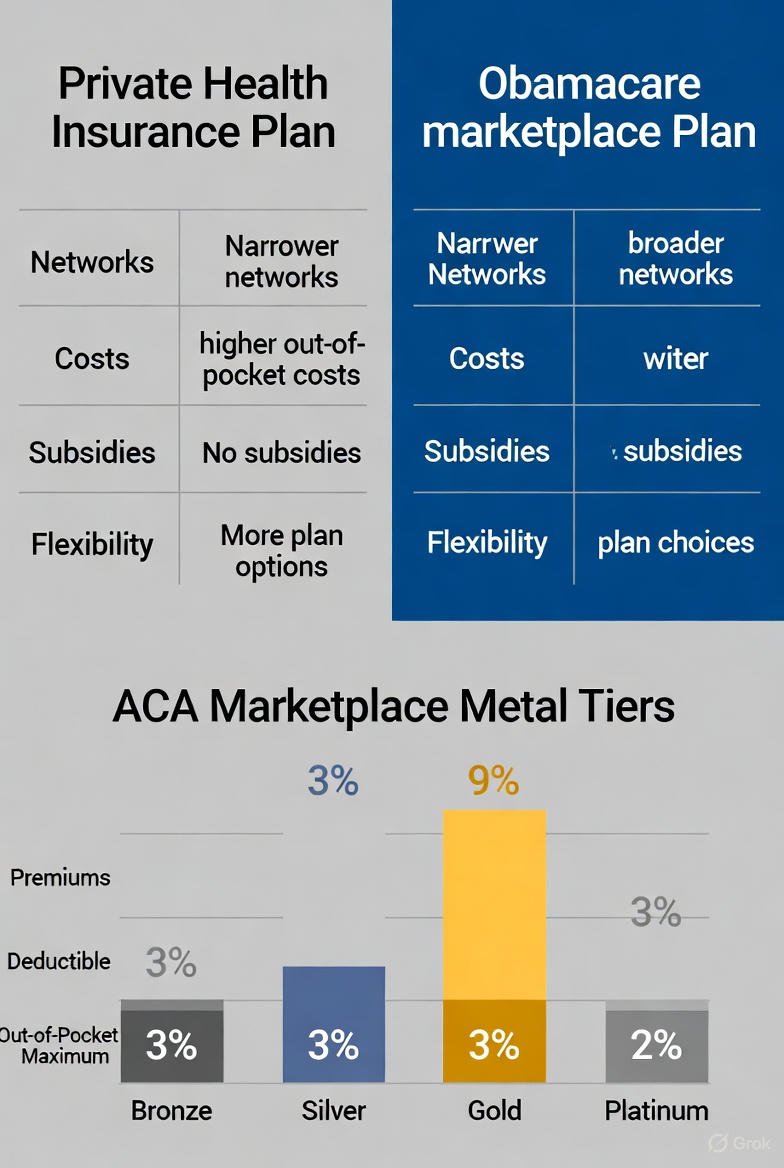
Premiums are the regular monthly payments to maintain coverage. Lower premiums are affordable, but plans with lower premiums often have higher deductibles.
Deductibles and Out‑of‑Pocket Costs
A deductible is the amount you pay before insurance begins to cover costs. After meeting the deductible, you may still pay copayments or coinsurance for certain services. Out‑of‑pocket maximums limit the total you pay in a year.
Provider Networks
The size of the network affects which doctors and hospitals you can visit. Larger networks give more choices, while smaller networks may be more affordable but limited.
Benefits and Services
Plans vary in what they cover. Preventive care, wellness programs, prescription drug coverage, mental health services, and telehealth access are examples of benefits to consider.
How to Compare Top Options
Comparing plans side by side helps you find the best match for your needs.
Identify Your Priorities
Consider what matters most to you and your family. This could be low monthly costs, lower out‑of‑pocket expenses, access to specific doctors, or coverage for ongoing health conditions.
Estimate Total Costs
Look at how much you will pay monthly, plus deductibles, copayments, and coinsurance. A plan with slightly higher premiums might cost less overall if deductibles are lower.
Check Networks
Ensure your preferred doctors and hospitals are in the plan network. Out‑of‑network care can be much more expensive.
Review Benefits
Compare what services are included, such as preventive care, prescription coverage, mental health support, maternity care, and wellness programs.
Enrollment Periods
Health insurance plans for individuals and families are usually available during the annual open enrollment period. If you miss this period, you may still enroll if you have a qualifying life event such as birth of a child, marriage, or loss of previous coverage.
Common Questions About Health Insurance
Can Families Get Subsidies?
Families with income levels that meet certain criteria may qualify for subsidies that lower monthly costs when purchasing coverage through the health insurance marketplace.
Are Marketplace Plans Good for Families?
Yes, marketplace plans offer a range of options, including affordable plans for children and families. They also cover essential health services.
Can I Change Plans Anytime?
You can typically change plans only during the open enrollment period or after a qualifying life event.
Conclusion
Health insurance options for individuals and families in the USA vary widely. The key to finding the best plan is to compare costs, network size, and benefits before enrolling. Top companies offer a range of plans that can fit different budgets and healthcare needs. By understanding the differences in plan types and reviewing your personal needs, you can choose coverage that gives you and your family the care and security you deserve.