Business insurance helps protect your company from financial loss due to unexpected events. For LLCs (Limited Liability Companies) and corporations in the United States, having the right insurance not only protects your assets but also helps you comply with legal and contractual requirements. This guide covers the key types of business insurance, what they cover, cost factors, and how to choose the right coverage for your LLC or corporation in 2026.
What Is Business Insurance for LLCs & Corporations
Business insurance is a set of policies designed to protect companies from liability, property loss, employee injuries, and other operational risks. Both LLCs and corporations face similar exposures, but the right mix of coverage depends on the business’s size, industry, assets, location, and risk profile.
Insurance is essential to protect business continuity, satisfy client or landlord requirements, and in some cases satisfy legal or regulatory mandates.
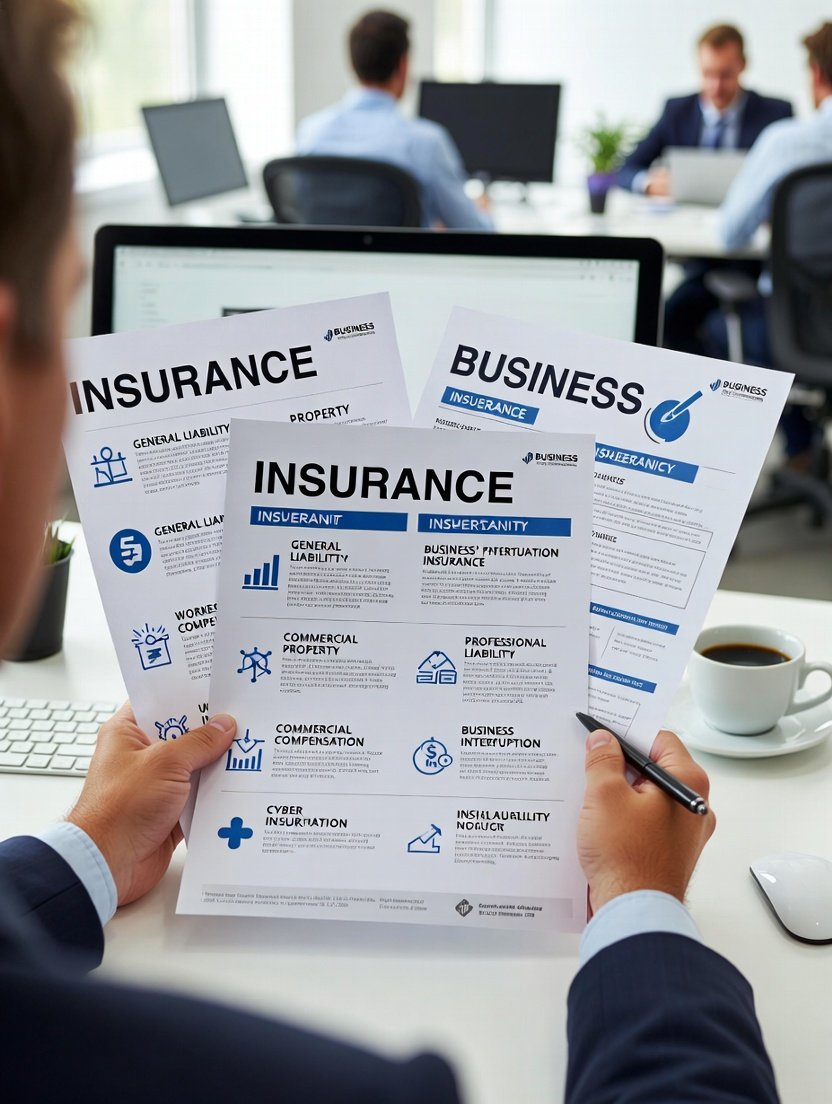
Key Types of Business Insurance
General Liability Insurance
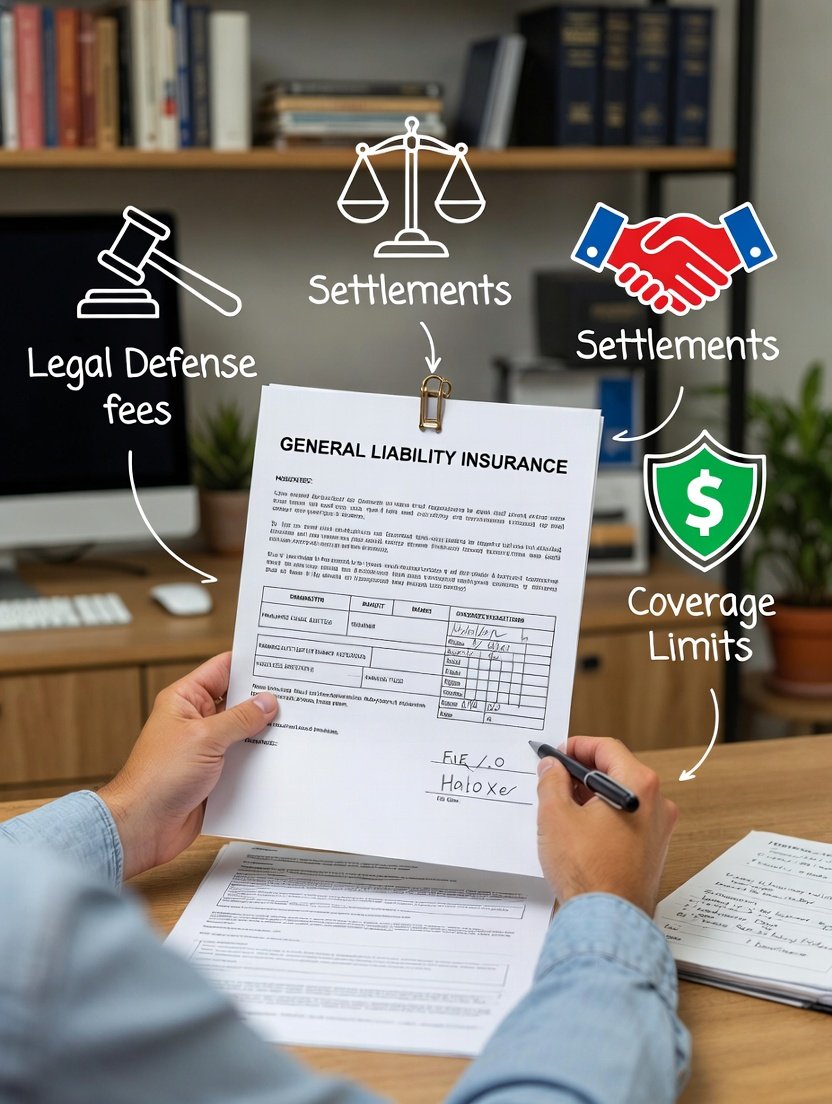
General liability insurance protects your business if a third party is injured, or if their property is damaged because of your business activities. It also covers personal and advertising injury claims.
Typical coverage includes:
Bodily injury to customers, clients, or visitors
Property damage caused by your business
Legal defense costs
This policy is considered foundational for nearly all businesses.
Commercial Property Insurance
Commercial property insurance protects your owned or rented business property, equipment, inventory, furniture, and fixtures from loss or damage caused by fire, theft, vandalism, or covered weather events.
This coverage is critical for businesses with physical locations or significant equipment.

Professional Liability Insurance (Errors & Omissions)
Professional liability insurance protects businesses that provide services or advice. It covers claims of negligence, mistakes, or failure to deliver professional services as promised. It is especially relevant for consultants, accountants, tech firms, architects, and other service providers.
Commercial Auto Insurance
Commercial auto insurance covers vehicles owned or used by the business for work purposes. It protects against collision, liability, uninsured motorists, and other vehicle-related risks.
Workers’ Compensation Insurance
Workers’ compensation insurance is required in most states if your business has employees. It covers medical costs and a portion of lost wages for employees injured on the job.
Business Owner’s Policy (BOP)
A Business Owner’s Policy (BOP) bundles general liability and property insurance in a single package, often at a lower total cost than buying policies separately. BOPs are popular among small and mid-size LLCs and corporations.
Cyber Liability Insurance
Cyber liability insurance helps cover losses from data breaches, cyberattacks, ransomware, and other digital threats. This is especially important for companies that collect or store customer information or operate online.
Employment Practices Liability Insurance (EPLI)
EPLI protects your business from claims by employees alleging discrimination, wrongful termination, harassment, or other employment-related issues. These claims can be costly even if they lack merit.
Directors & Officers (D&O) Insurance
D&O insurance protects corporate directors and officers from personal financial loss if they are sued for decisions they made on behalf of the company. This is especially important for corporations and LLCs with boards or high-level executives.
Cost Factors for Business Insurance
The cost of business insurance varies by:
Industry and risk level
Number of employees
Annual revenue
Business location
Claims history
Coverage limits and deductibles chosen
Low-risk businesses like consultants may pay lower premiums than high-risk businesses such as construction or food service. Increasing coverage limits and adding optional policies also increases costs.
Typical Cost Estimates (2026)
Business insurance costs can vary widely. Below are general examples for common policies:
General liability: Several hundred to a few thousand dollars per year
BOP: Often combines liability and property at a cost similar to general liability alone
Professional liability: Mid-range costs depending on industry exposure
Workers’ compensation: Based on payroll and industry risk classification
Cyber liability: Depends on company size and data exposure
Exact costs differ based on business details and insurer pricing models.
How to Choose the Right Insurance
Assess Your Risks
Identify the biggest risks your business faces. A business with customer traffic must prioritize general liability and property coverage. A tech company may need strong cyber liability and professional liability coverage.
Compare Multiple Quotes
Obtain quotes from several insurers to compare price, coverage limits, deductibles, and exclusions. Make sure the policies you compare offer similar protection.
Review Contract Requirements
Some landlords, clients, or partners require specific coverage types and minimum limits. Review contracts before purchasing to ensure compliance.
Evaluate Financial Strength and Service
Choose insurers with strong financial ratings and good customer service reviews. Claims handling quality matters when you need protection most.
Work With an Agent or Broker
Independent agents or brokers can help you explore multiple carriers and tailor coverage to your business needs efficiently.
Top Business Insurance Providers in the USA
Many reputable insurers offer business coverage for LLCs and corporations:
State Farm
The Hartford
Nationwide
Travelers
Liberty Mutual
Chubb
Hiscox
Next Insurance
Progressive Commercial
Some specialize in small to mid-size businesses and online quoting, while others provide large-scale commercial solutions.
Discounts and Ways to Lower Premiums
Bundle multiple policies (liability + property)
Increase deductibles where affordable
Maintain good safety and risk management practices
Train employees on workplace safety
Conduct regular risk assessments
Insurers often provide lower rates to businesses that show strong loss prevention and safety programs.
Common Mistakes to Avoid
Choosing the cheapest policy without verifying coverage adequacy
Underestimating liability limits
Neglecting industry-specific risks
Failing to update policies as your business grows
Ignoring exclusions and endorsements
Avoiding these mistakes ensures that your business remains properly covered even as it evolves.
Final Thoughts
Business insurance for LLCs and corporations in the USA is essential for protecting assets, managing risk, and ensuring long-term stability. Understanding the types of coverage available, how costs are determined, and how to compare quotes can help you choose the right insurance mix for your business needs in 2026.
Start with a risk assessment, gather multiple quotes, and tailor your policy to match your industry and exposure. With the right insurance in place, your business can operate with confidence even in the face of unexpected challenges.