Health Insurance USA for Low Income – Eligibility & Benefits Explained
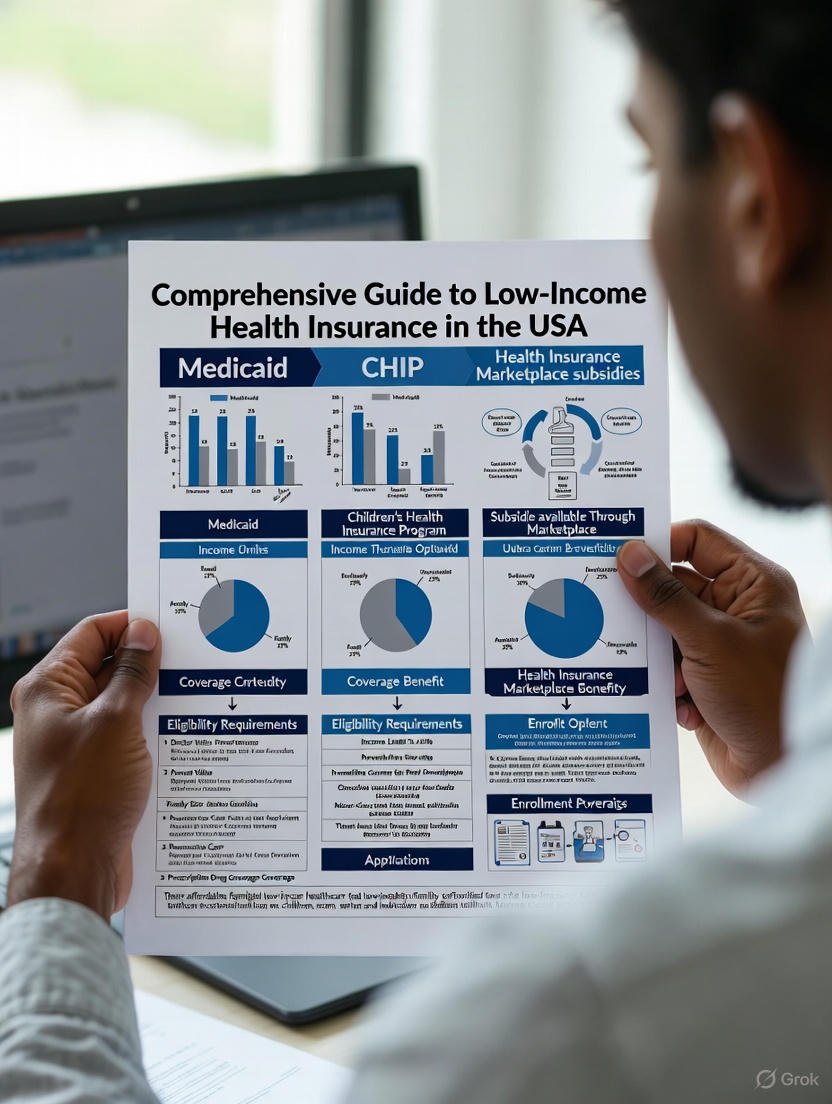
Access to health insurance is essential, especially for individuals and families with limited income. In the United States, several programs and affordable options are specifically designed to help low-income residents receive quality healthcare without facing overwhelming costs. Understanding eligibility rules and available benefits can help you choose the right coverage and avoid gaps in care.
This guide explains how low-income health insurance works in the USA, who qualifies, and what benefits these plans typically provide.
What Is Low-Income Health Insurance in the USA
Low-income health insurance refers to government-supported or subsidized health coverage programs aimed at making healthcare affordable for people with limited financial resources. These programs reduce or eliminate monthly premiums and lower out-of-pocket costs such as deductibles, copayments, and prescription expenses.
Coverage is available for individuals, families, children, seniors, and people with disabilities, depending on income level and household size.
Medicaid Coverage
What Is Medicaid
Medicaid is a joint federal and state health insurance program for low-income individuals and families. It provides comprehensive coverage at very low cost or no cost at all.
Each state manages its own Medicaid program, so eligibility rules and covered services may vary.
Medicaid Eligibility
Eligibility for Medicaid is primarily based on income, household size, age, disability status, and state of residence. In many states, adults with income up to a certain percentage of the federal poverty level may qualify.
Children, pregnant women, seniors, and people with disabilities often have higher income eligibility limits.
Medicaid Benefits
Medicaid typically covers a wide range of services, including doctor visits, hospital stays, preventive care, maternity care, mental health services, prescription drugs, and emergency treatment. Many plans also include dental and vision coverage, especially for children.
Children’s Health Insurance Program
What Is CHIP
The Children’s Health Insurance Program provides low-cost health coverage for children in families that earn too much to qualify for Medicaid but still cannot afford private insurance.
Some states also offer CHIP coverage for pregnant women.
CHIP Eligibility
Eligibility is based on family income, number of children, and state guidelines. Income limits are generally higher than Medicaid, making CHIP accessible to many working families.
CHIP Benefits
CHIP covers essential healthcare services such as routine checkups, immunizations, doctor visits, prescriptions, emergency care, dental care, and vision services. Costs are minimal and often include small copayments.
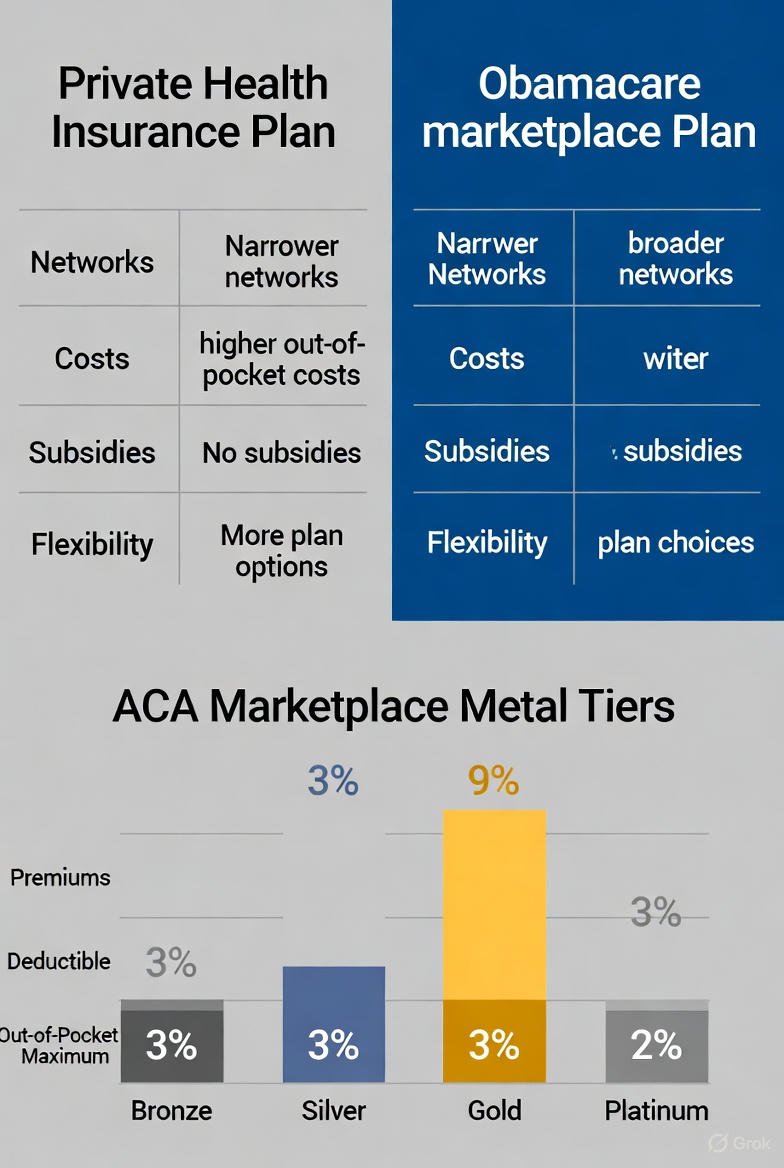
Health Insurance Marketplace Subsidies
Marketplace Plans for Low Income Individuals
People with low to moderate income who do not qualify for Medicaid or CHIP can purchase health insurance through the health insurance marketplace. These plans offer comprehensive coverage and include essential health benefits.
Premium Tax Credits
Premium tax credits lower the monthly cost of health insurance for eligible individuals and families. The amount of assistance depends on income and household size.
These credits can significantly reduce monthly premiums, making private insurance more affordable.
Cost-Sharing Reductions
Cost-sharing reductions lower out-of-pocket expenses such as deductibles, copays, and coinsurance. These reductions are available to eligible individuals who enroll in certain marketplace plans and meet income requirements.
Eligibility Requirements Overview
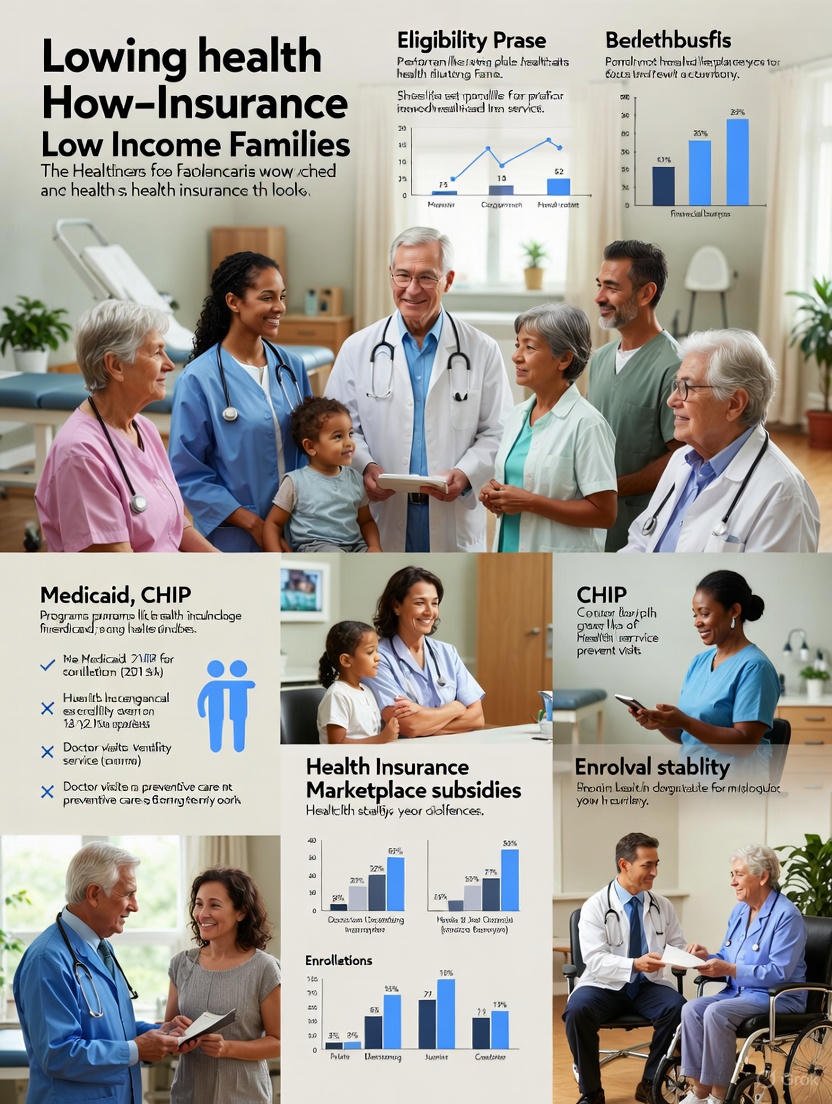
Eligibility for low-income health insurance options depends on several factors:
Income level compared to federal poverty guidelines
Household size
State of residence
Age and disability status
Citizenship or lawful residency status
Providing accurate income information during application is important to receive the correct level of assistance.
Benefits of Low-Income Health Insurance
Low-income health insurance programs provide more than just basic coverage. Key benefits include access to preventive services, which help detect health issues early and reduce long-term costs.
Many plans include coverage for mental health care, substance use treatment, maternity services, and prescription medications. Preventive services such as vaccinations and screenings are often covered at no cost.
Affordable coverage also protects individuals from high medical bills and unexpected emergencies, offering financial stability and peace of mind.
Enrollment Periods and Special Enrollment
Most health insurance plans have specific enrollment periods. Medicaid and CHIP enrollment is open year-round, allowing eligible individuals to apply at any time.
Marketplace plans typically require enrollment during open enrollment periods, but special enrollment may be available after qualifying life events such as loss of coverage, marriage, or birth of a child.
How to Choose the Right Option
Choosing the best low-income health insurance plan depends on your income, family size, and healthcare needs. If eligible, Medicaid or CHIP often provides the most comprehensive coverage at the lowest cost.
For those who do not qualify for government programs, marketplace plans with subsidies can offer strong coverage at reduced prices.
Comparing benefits, provider networks, prescription coverage, and total out-of-pocket costs helps ensure the plan meets your healthcare needs.
Final Thoughts
Health insurance for low-income individuals in the USA is more accessible than many people realize. With programs like Medicaid, CHIP, and subsidized marketplace plans, millions of Americans can receive quality healthcare at little
or no cost.
Understanding eligibility rules and benefits allows you to make informed decisions, secure affordable coverage, and protect your health and financial well-being.